
Table of Contents
We are at a critical point as environmental changes alter our nation. Prolonged droughts and unpredictable rains affect millions every day.
Understanding these challenges is the first step toward survival. We need to see how human actions affect nature to protect our land for the future.

We aim to create a sustainable future through working together and smart policies. By focusing on local efforts, we can grow stronger despite a warmer planet.
Key Takeaways
- Rising temperatures are disrupting traditional agricultural cycles across the country.
- Coastal regions face significant threats from encroaching sea levels.
- Local communities are the primary drivers of effective environmental adaptation.
- Sustainable resource management is essential for long-term food security.
- Collective action and informed policy are vital to mitigating future risks.
Understanding Climate Change in Kenya
Climate change is real and affects us every day. We need to understand the science behind it to plan for the future. By knowing how it works, we can find effective, long-term solutions for our planet.
Defining the Global Phenomenon
Global warming means the Earth’s temperature is rising. This rise is mainly caused by human activities that increase greenhouse gases. These gases trap heat, causing higher temperatures and unpredictable weather worldwide.
“The climate is a common good, belonging to all and meant for all.”
Pope Francis
The Specific Context of Climate Change in Kenya
While climate change is worldwide, its effects vary by place. In Kenya, our diverse ecosystems face unique challenges. Our dependence on rain and natural resources makes us vulnerable to climate shifts.
Dealing with climate change in kenya means facing our role in the crisis. We see changes in rain and temperature that risk our food and water. Knowing these local effects is key to building resilience and securing our future.
What Causes Climate Change?
To protect our future, we must look at the human actions that speed up climate change in Kenya. Our planet is warming fast because of human activities. By knowing these causes, we can focus our efforts where they matter most.
Greenhouse Gas Emissions and Industrial Impact
Burning fossil fuels is a big reason for global warming. Factories and cars release a lot of carbon dioxide. This gas traps heat, making the planet warmer.
In cities, cars and factories make pollution worse. Growing industries harm the air and environment. We need to cut down on carbon emissions to help the planet.
Deforestation and Land Use Changes
Forests help our planet by taking in carbon dioxide. But, cutting down trees for wood and cities has hurt them. This makes the air worse.
Changes in land use are big problems in climate change in Kenya. When we turn natural areas into cities or farms, they can’t cool the air. Saving our forests is key to fixing the environment.
The Role of Agricultural Practices
Farming is important, but some ways of farming harm the environment. Intensive farming can hurt the soil and release methane. Methane is a strong greenhouse gas.
We need to use farming methods that help the soil and capture carbon. By choosing better farming, we can lessen harm to the environment. The table below shows how human actions affect our climate.
| Activity | Primary Impact | Environmental Consequence |
|---|---|---|
| Fossil Fuel Use | CO2 Emissions | Global Warming |
| Deforestation | Carbon Release | Loss of Biodiversity |
| Intensive Farming | Methane/Soil Loss | Reduced Productivity |
| Urban Expansion | Heat Island Effect | Infrastructure Stress |
How Climate Change Is Affecting Kenya
Our country, from the arid north to the lively coast, faces the harsh effects of a warming planet. Weather patterns have become unpredictable, affecting us all. These changes harm the livelihoods of millions, making life harder for many.
Droughts and Their Impact on Pastoralist Livelihoods
Drought has become a big problem for our pastoralist communities. When it doesn’t rain, the land dries up, leaving animals without food or water. Families then have to move to find resources, leading to fights over what little land is left.
“The land is tired, and the rains have forgotten us, leaving our herds to wither under the relentless sun.” — A local pastoralist elder.
Flooding and Infrastructure Damage
When the rains do come, they often bring destructive intensity. Flooding can overwhelm our drainage systems and damage important structures. Roads, bridges, and homes are often destroyed, cutting off remote areas from essential services and markets.
Coastal Erosion and Rising Sea Levels
Our beautiful coastline is also facing threats from rising temperatures. Rising sea levels cause coastal erosion, taking land from settlements and destroying habitats like mangroves. This loss of land harms both our tourism and the safety of coastal residents.
Food Insecurity and Agricultural Decline
Agriculture is key to our economy but is getting weaker due to climate changes. Food insecurity is growing as unpredictable rains lead to crop failures. Smallholder farmers are finding it hard to keep up, affecting our food supply and economy.
Water Shortages and Resource Scarcity
Lastly, water scarcity is a major challenge for our development. As traditional water sources dry up, the need for clean water grows. We must manage water sustainably to keep it for future generations.
Impacts of Climate Change in Kenya on Coastal Communities
Our nation faces a severe climate crisis, from the arid north to the busy coast. Climate change in Kenya is real and affects our daily lives. Pastoralist communities struggle with long droughts that kill livestock and ruin their way of life.
At the same time, flooding wreaks havoc. It damages roads and schools, cutting off rural villages. This leads to widespread food insecurity and less food from farming.
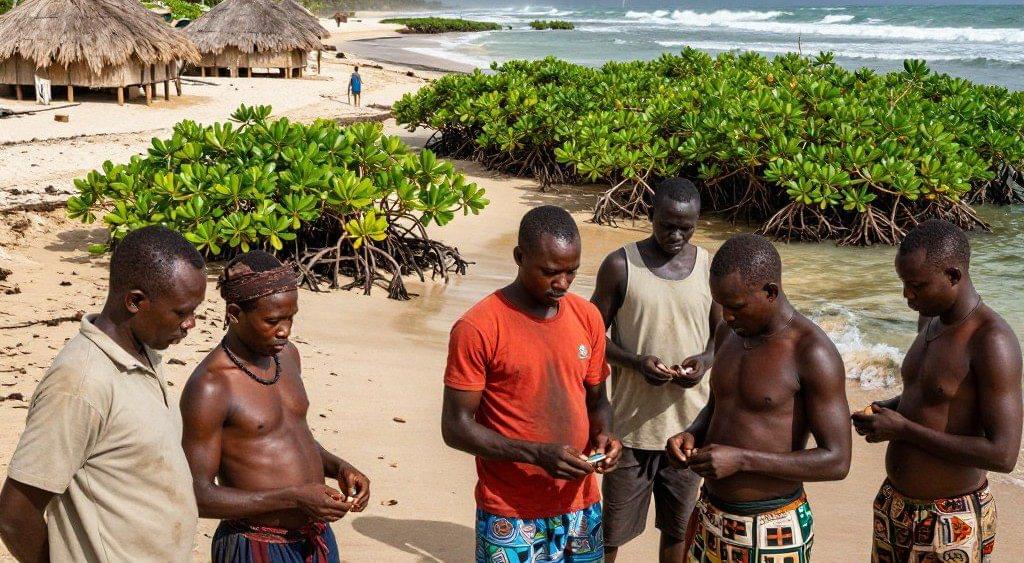
Coastal communities are hit hard by environmental challenges:
- Rising sea levels threaten to flood low-lying areas and historical sites.
- Fast coastal erosion takes away our beaches and mangroves.
- Water shortages happen because saltwater gets into freshwater sources.
We must act fast to adapt to climate change in Kenya. We need strong plans to protect our environment and help our people. Sustainable solutions can reduce these risks and ensure a better future for all.
The need for action is urgent. We must keep investing in climate adaptation Kenya to keep our places livable. Together, we can fight the effects of climate change in Kenya and build a stronger nation.
Community-Based Climate Adaptation Strategies
We start by listening to those who know the land best. Top-down policies often miss the mark for rural areas. By empowering local groups, we make sure solutions fit and are meaningful.
True progress comes from mixing science with the real-life experiences of farmers and pastoralists. This mix creates a strong plan for surviving in an ever-changing world.
The Importance of Localized Knowledge
Indigenous wisdom is full of knowledge about weather and soil. For years, our ancestors used this knowledge to plan planting and migration. We’re documenting these traditional practices for today’s young people.
Valuing local knowledge builds community pride. When people see their heritage as part of the solution, they’re more likely to embrace new ideas. This cultural bond is key to our community-based adaptation efforts.
Implementing Sustainable Farming Techniques
We push for climate-smart agriculture to safeguard our food. Many farmers are now growing drought-resistant crop varieties. These crops help ensure a steady harvest, even in dry times.
We also promote agroforestry to improve soil and provide shade for animals. Planting trees with food crops creates a microclimate that holds moisture and prevents soil loss. These sustainable farming techniques help families keep their livelihoods while healing the land.
Water Harvesting and Management Systems
Water scarcity is a big issue, but we’ve found ways to use every drop. We support building sand dams in dry riverbeds. These act as natural reservoirs, filtering water for year-round use.
We also back simple roof catchment systems for homes. These systems provide a steady water supply for household use and small irrigation. Good water management is about creating lasting infrastructure for our communities, even in tough times.
The Role of Ecosystem Restoration in Climate Action
Ecosystem restoration is key to building climate resilience in Kenya. It helps fix damaged lands, which improves water flow and soil health. This is critical for keeping our rural areas healthy and strong.
Restoring forests and grasslands helps protect us from extreme weather. By taking care of the land, we build a shield against the effects of climate change. This is a big part of how we adapt to a warmer world.
Community-Based Climate Adaptation Strategies
We think that community resilience comes from mixing old wisdom with new science. Local farmers know how to grow crops that can handle drought. Using this knowledge with new farming methods makes food more secure.
New ways to catch and use rainwater are changing rural life. During dry times, this water helps keep crops watered. These community-based ideas help families stay productive, even when the weather is unpredictable.
Our work on the ground has a big effect worldwide. By building climate resilience in our communities, we prepare for future challenges. Making our communities strong is our main goal for climate adaptation Kenya.
Success Stories from Kenya
Kenyans are working together to fix environmental damage. From the coast to the highlands, we see big changes. These efforts show us a brighter future is possible.
Restoring Mangrove Forests in Coastal Regions
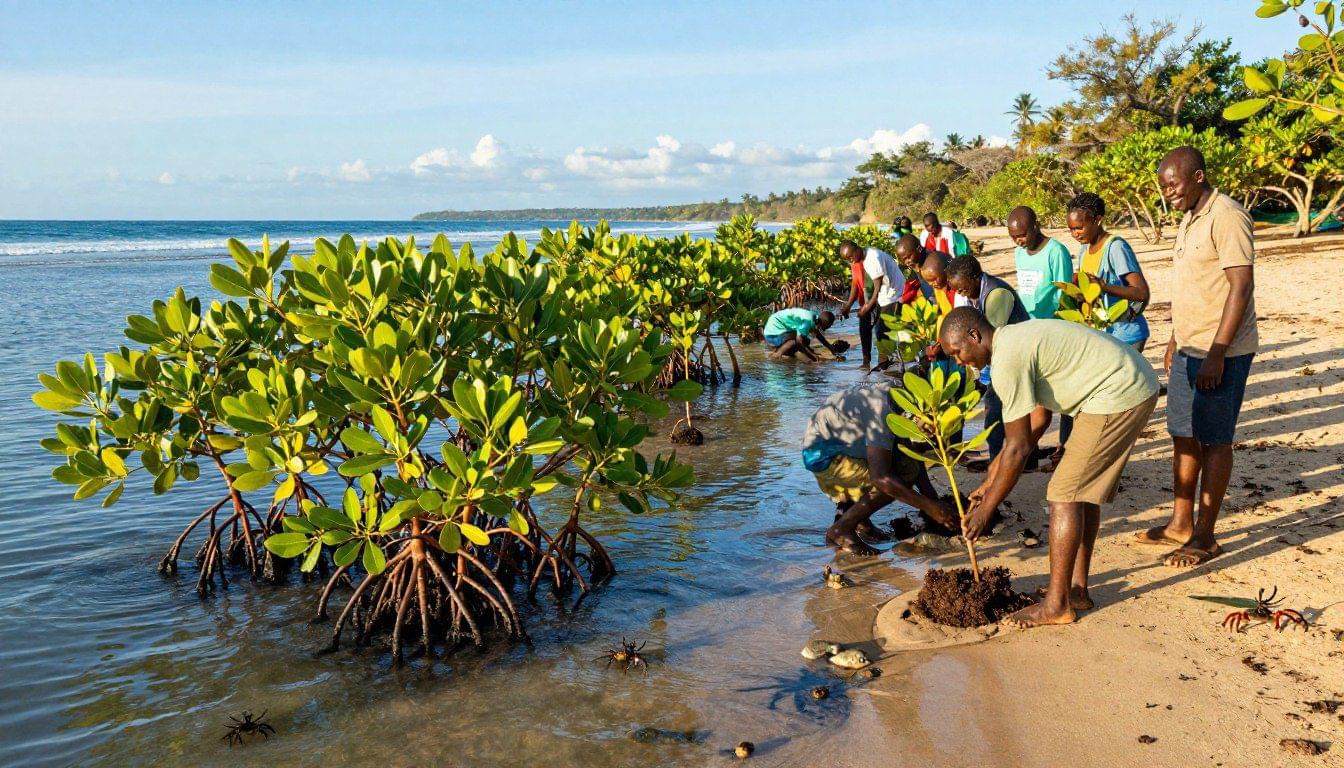
Local groups in coastal areas are protecting vital ecosystems. They replant mangroves, creating essential carbon sinks and natural storm buffers. This helps our shorelines and supports local wildlife.
“The restoration of our mangroves is not just about trees; it is about securing the future of our children and the health of our oceans.”
Empowering Women through Climate-Smart Agriculture
Empowering women is key in rural areas. We teach them about climate-smart agriculture. This helps families grow more food, even when the weather is tough.
When women lead, whole communities win. They are the heart of food security and sustainable land use in Kenya.
Community-Led Reforestation Initiatives
Community-led reforestation is powerful. People plant and care for trees, making sure they grow strong. This local effort is effective because it uses local knowledge and dedication.
These projects are a model for future climate action initiatives. They show how to care for people and the planet. We’re proud to support these efforts as they grow and inspire others.
How Green Pamoja Supports Climate Resilience
We focus on strengthening the bond between people and nature. This is key to a greener, more resilient Kenya. We see climate resilience as essential for our nation’s success, even with changing weather.
By focusing on local needs, our efforts bring lasting benefits. These benefits go directly to those who need them most.
Our Approach to Environmental Conservation
We prioritize environmental conservation kenya with science-backed methods. We look at soil health, water, and biodiversity to create solutions. This helps restore landscapes and protect resources for communities.
We value transparency in our projects. Sharing data and findings helps local stakeholders see the value of preserving their environment. This approach makes our conservation efforts effective and culturally relevant.
Educational Programs for Sustainable Development
We invest in the next generation for sustainable development kenya. Our programs teach students and young adults to care for their land. We believe informed citizens can protect the environment.
Through workshops and school programs, we teach practical skills. These include waste management and organic farming. Our goal is to foster a culture of responsibility and innovation.
Building Partnerships for Long-Term Impact
True community resilience comes from a network of dedicated partners. We connect local groups with resources, funding, and expertise. This helps us reach more families across the country.
We work with local leaders to ensure our projects last. Building strong relationships empowers communities to shape their future. Collaboration is our strongest tool against climate change.
Conclusion
We are at a key moment where our actions today will shape the future of our planet. The issues of changing weather and scarce resources are big, but we can overcome them. By using community-based strategies and green practices, we can make a better future for everyone in Kenya.
Our path to fixing the environment depends on strong local partnerships and our traditional knowledge. When we help people care for their areas, we start a chain of good changes. Every tree planted and every water system built shows our dedication to the earth.
“The greatest threat to our planet is the belief that someone else will save it.”
— Robert Swan
We need to keep pushing for new ideas and learning to keep moving forward. Sustainability is a never-ending journey that needs everyone’s effort. Together, we can change our world and make it a healthy place for future generations.
What Individuals Can Do to Fight Climate Change
Every small action helps in protecting our environment. Start by reducing waste, planting native trees, and buying from local farmers who care for the earth. These actions are key to sustainable development in Kenya.
Support policies that protect our natural resources. By sharing what you know about climate risks, you help your neighbors get ready for weather changes. Your voice is important in pushing for real climate action.
Join Green Pamoja in making communities more resilient to climate change. We focus on conservation, restoration, education, and sustainable development. Together, we can make our landscapes better and ensure a brighter future for Kenyans. Contact our team to find out how you can help with our projects.
FAQ
What are the primary drivers of climate change in Kenya?
Several factors are causing environmental changes in Kenya. These include rising greenhouse gas emissions and deforestation. Industrial activities and certain farming practices also contribute to soil loss and increased carbon emissions. Understanding these causes helps us focus our efforts on effective solutions.
How is climate change in kenya affecting the livelihoods of Kenyans?
Climate change is severely impacting Kenyans. Droughts harm pastoralist communities, while flooding damages infrastructure. These changes lead to food shortages, water scarcity, and lower agricultural output. Climate adaptation is essential for our national stability.
What specific threats do coastal communities face from rising temperatures?
Coastal areas face threats from rising sea levels and erosion. These issues harm homes and local businesses. We focus on restoring mangrove forests to protect against storms and absorb carbon.
What does community resilience look like in the context of climate change in kenya?
Community resilience means empowering locals to face environmental challenges. We combine traditional knowledge with modern farming methods. Implementing water systems helps rural areas stay productive during weather extremes.
How does ecosystem restoration contribute to climate action?
Ecosystem restoration is key to our strategy. Rehabilitating lands and supporting reforestation helps regulate our climate. These efforts protect biodiversity and create jobs for locals.
What role does Green Pamoja play in fostering climate resilience?
Green Pamoja strengthens climate resilience through science and education. We build partnerships to support local communities. Our projects, from agriculture to forest protection, are transparent and community-driven.
How can individuals contribute to climate action initiatives in their daily lives?
Individuals can make a difference by adopting sustainable habits and supporting tree-planting efforts. Advocating for environmental policies and practicing climate-smart agriculture helps us achieve sustainable development. Together, we can build a resilient future.