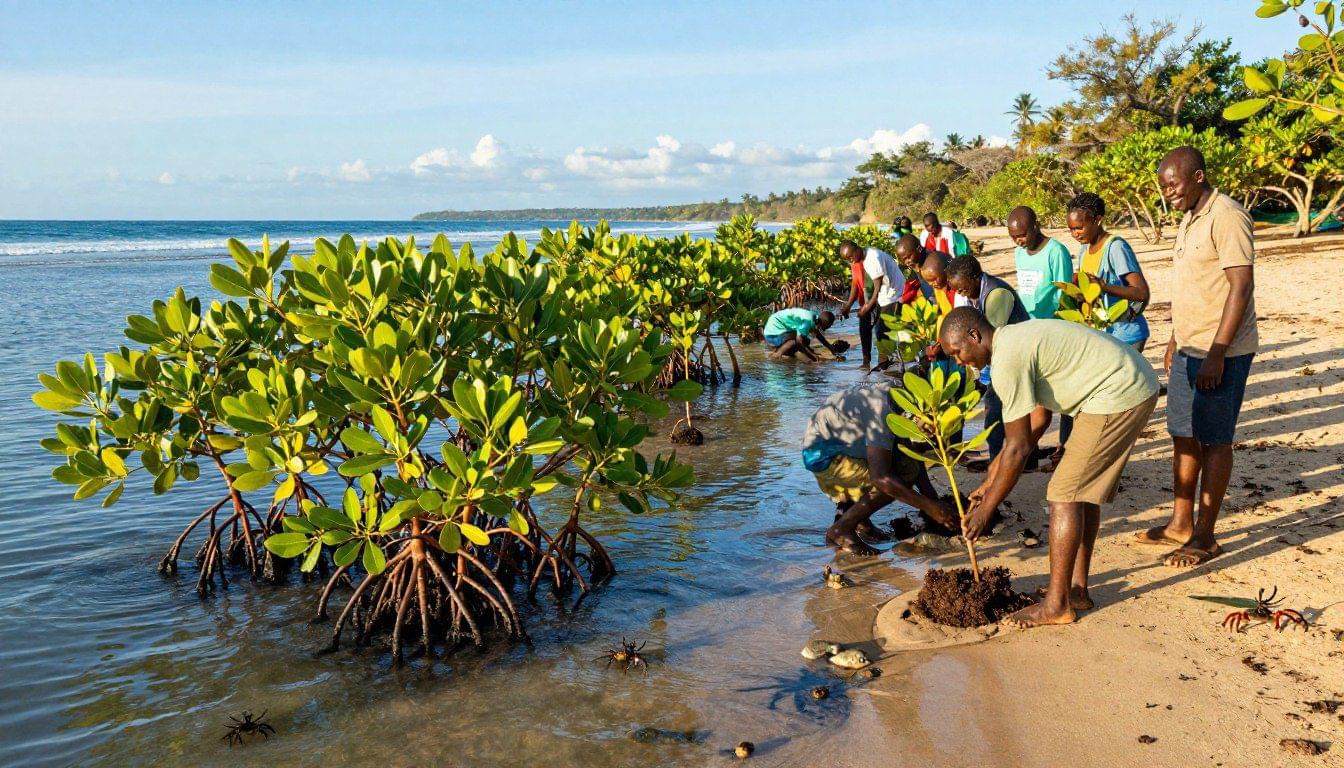
Are you passionate about environmental conservation and eager to make a difference in your community? Starting a native species nursery can be a rewarding venture. It requires careful planning and execution.
We will guide you through the process. We draw on insights from the Green Pamoja Initiative’s community-centered approach and KEFRI’s extensive work in seed production and distribution. By leveraging their expertise, you can create a thriving native plant nursery that contributes to reforestation efforts.

Our step-by-step guide is designed to empower youth and women in Kilifi and Lamu to embark on this meaningful journey. By following our guide, you will be well on your way to establishing a successful nursery.
Key Takeaways
- Understand the importance of native species in reforestation efforts
- Learn how to plan and execute a successful nursery
- Discover the benefits of community-centered environmental conservation
- Gain insights into KEFRI’s seed production and distribution expertise
- Develop a step-by-step plan to establish your own nursery
Why Tree Nurseries Matter in Kenya’s Coastal Counties
Tree nurseries are essential in Kenya’s coastal areas, like Kilifi and Lamu. They support environmental restoration and uplift local communities. These nurseries are key for producing quality seedlings for reforestation. This helps to revive damaged landscapes and boost biodiversity.
Environmental Restoration in Kilifi and Lamu
The coastal regions of Kenya face major environmental hurdles, including deforestation and land degradation. Tree nurseries tackle these problems by offering seedlings for reforestation. Experts stress that reforestation is vital for ecological balance and combating climate change. The Green Pamoja Initiative leads these efforts, collaborating with local communities to revive degraded lands.
Economic Empowerment for Youth and Women
Tree nurseries also empower youth and women economically in Kilifi and Lamu. They offer training and jobs in nursery management and tree planting. This supports sustainable livelihoods. The Green Pamoja Initiative ensures tree nursery benefits are shared fairly among community members.
Green Pamoja Initiative’s Community-Based Approach
The Green Pamoja Initiative focuses on community involvement in tree nursery management. It engages local communities in decision-making and equips them with skills and resources. This model is seen as a success in community-based reforestation.
| Benefits of Tree Nurseries | Impact on Local Communities |
|---|---|
| Environmental Restoration | Restoration of degraded lands and promotion of biodiversity |
| Economic Empowerment | Training and employment opportunities for youth and women |
| Community Engagement | Fostering community involvement in decision-making processes |
“The Green Pamoja Initiative has shown that with the right approach, tree nurseries can be a powerful tool for both environmental restoration and community development.”
Planning Your Tree Nursery Kenya Project
When planning a tree nursery in Kenya, understanding the local climate, soil needs, and the role of agroforestry in boosting biodiversity is key. A well-thought-out nursery is essential for the success of tree planting services in Kenya.
Selecting the Perfect Location
The location of your tree nursery is critical. It should be easily accessible, have a reliable water source, and be near the planting area. Also, consider the land’s topography to avoid erosion.
Understanding Local Climate and Soil Requirements
Kenya’s climate varies significantly across regions. Knowing the local climate and soil type is crucial for choosing tree species that will thrive. The Kenya Forestry Research Institute (KEFRI) stresses the importance of quality tree seeds and seedlings for achieving the national 30% tree cover target.
| Factor | Consideration | Benefit |
|---|---|---|
| Location | Accessibility, Water Source | Ease of Management |
| Climate | Temperature, Rainfall | Tree Species Suitability |
| Soil | Type, Fertility | Healthy Tree Growth |
Identifying Marketable Native Tree Species
Native tree species are often in high demand due to their adaptability and ecological benefits. Research market trends to find species that are both marketable and beneficial for the local ecosystem.
Creating a Realistic Budget and Timeline
Creating a realistic budget and timeline is crucial for the success of your tree nursery project. Consider all costs, including infrastructure, seeds, labor, and marketing.
Setting Up Your Nursery Infrastructure
Creating a well-structured nursery infrastructure is key to your success. It not only boosts seedling growth and health but also streamlines operations.
Land Preparation and Layout Design
We start by clearing the land for your nursery. This means removing debris, tilling the soil, and designing a layout for easy access and management. A good layout separates areas for seed germination, seedling growth, and hardening off.
Key considerations for land preparation include:
- Ensuring good drainage to prevent waterlogging
- Creating pathways for easy movement
- Allocating space for future expansion
Water Sources and Irrigation Systems
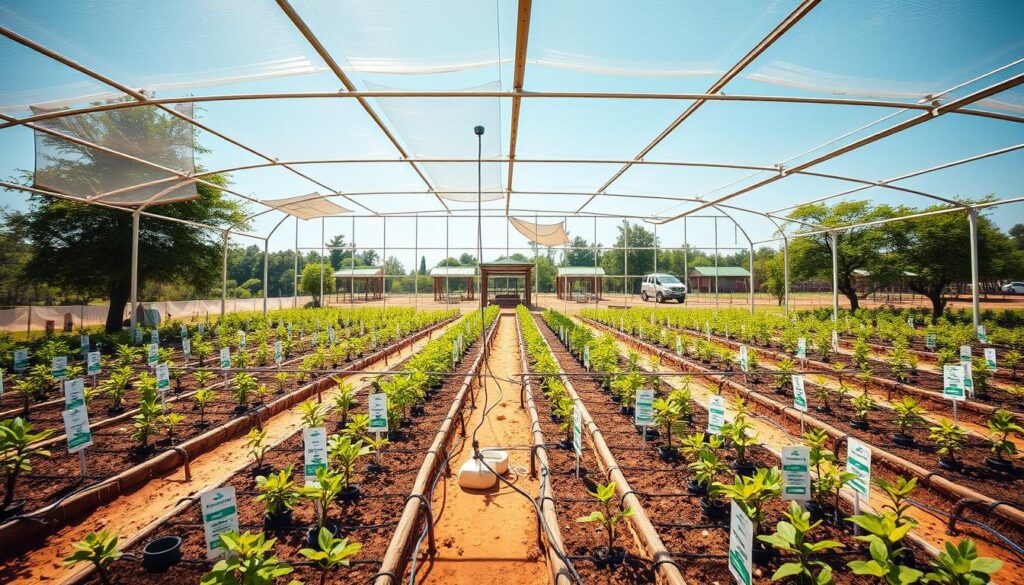
Having a reliable water supply is crucial for your nursery. We evaluate water sources and design an efficient irrigation system. Options range from drip irrigation and sprinkler systems to manual watering, based on your operation’s size and local water availability.
“Water is the lifeblood of any nursery. Efficient irrigation systems help conserve water while ensuring seedlings receive adequate moisture.”
Green Pamoja Initiative
Building Shade Structures and Protective Barriers
Shade structures shield young seedlings from intense sunlight. Protective barriers keep pests and strong winds at bay. We use locally sourced materials for these structures, ensuring they are both durable and effective.
Essential Tools and Equipment
Having the right tools is crucial for daily operations. Essential items include:
| Tool/Equipment | Purpose |
|---|---|
| Shovels and trowels | Planting and transplanting seedlings |
| Irrigation pipes and sprinklers | Watering seedlings efficiently |
| Pruning shears | Trimming and shaping seedlings |
By focusing on these critical infrastructure elements, we can establish a thriving tree nursery. This nursery will produce high-quality tree saplings for sale in Kenya, supporting reforestation efforts and local communities.
Growing Healthy Seedlings: A Step-by-Step Process
Ensuring robust and healthy seedlings is crucial for tree nurseries’ sustainability. This journey includes several key steps, from seed collection to early care. It demands a deep understanding of sustainable practices.
Seed Collection and Storage Techniques
Effective seed collection and storage are the initial steps. It’s about identifying quality local seeds and handling them correctly to keep them viable.
Identifying Quality Local Seed Sources
Choosing the right seed sources is essential. We should focus on local tree species adapted to Kilifi and Lamu’s environments. Native species like Mangifera indica (Mango) and Tamarindus indica (Tamarind) are ideal due to their resilience and market demand.
Proper Handling and Viability Testing
After collecting seeds, proper handling is key to maintaining viability. This includes cleaning, drying, and storing them in a cool, dry place. Regular viability tests ensure seeds can still germinate.
Germination and Early Seedling Care
Germination and early seedling care follow seed collection and storage. This phase involves preparing the perfect potting mix, transplanting seedlings, and setting up a watering and fertilization schedule.
Preparing the Perfect Potting Mix
A well-balanced potting mix is vital for seedling growth. It should combine soil, compost, and sand for nutrients and drainage. Organic matter like compost boosts soil fertility.
Transplanting Procedures
Transplanting seedlings requires gentle handling to avoid root damage. Seedlings should be placed in individual pots or seed trays, ensuring enough space for growth.
Watering and Fertilization Schedules
Consistent watering and fertilization schedules are crucial for seedling health. Seedlings need adequate moisture, and organic fertilizers promote growth without environmental harm.
Pest and Disease Management
Effective pest and disease management is vital for seedling health. Understanding coastal Kenya’s common threats and using organic prevention and treatment methods is essential.
Common Threats in Coastal Kenya
Pests like aphids and diseases like root rot threaten seedlings in coastal Kenya. Regular monitoring is necessary to catch these issues early.
Organic Prevention and Treatment Methods
Organic pest control methods, such as neem oil and beneficial insects, manage pests effectively. For diseases, improving air circulation and using organic fungicides prevent outbreaks.
| Pest/Disease | Symptoms | Organic Control Method |
|---|---|---|
| Aphids | Curled or distorted leaves | Neem oil spray |
| Root Rot | Wilting or yellowing plants | Improved drainage, organic fungicides |
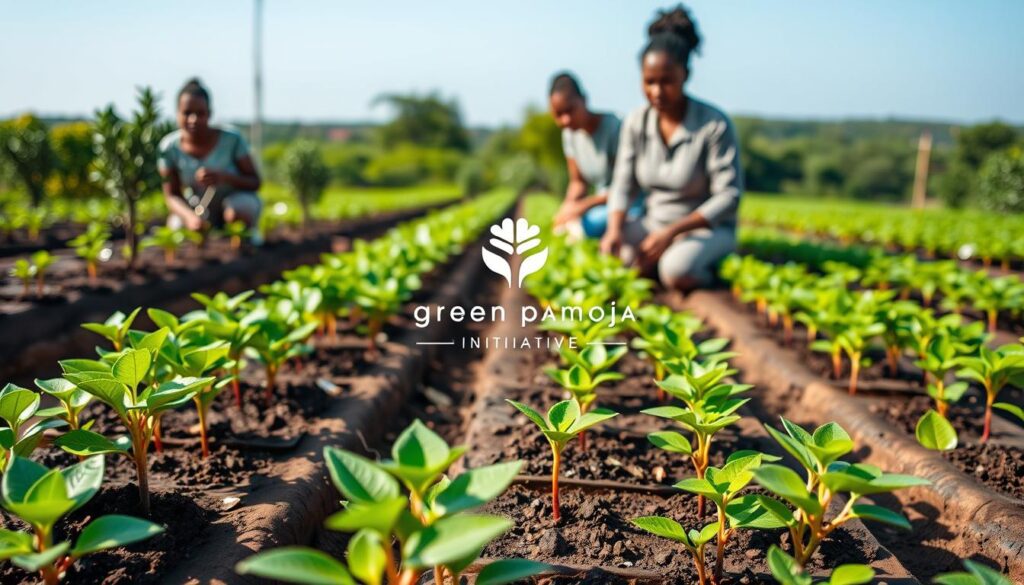
By adhering to these steps and emphasizing sustainable practices, we can cultivate healthy seedlings. These seedlings not only thrive but also contribute to sustainable livelihoods in Kilifi and Lamu.
Funding and Support for Women and Youth-Led Tree Nurseries
Securing funding and support is vital for women and youth-led tree nurseries in Kilifi and Lamu. The Green Pamoja Initiative is key in offering the necessary resources for these initiatives to flourish.
Green Pamoja Initiative’s Support Programs
The Green Pamoja Initiative provides various support programs for women and youth-led tree nurseries. These include training on nursery management, access to quality tree seeds, and technical assistance in seedling production. By engaging in these programs, nursery owners can enhance their skills and boost their success rates.
- Training on nursery management and tree care
- Access to high-quality tree seeds suitable for local climate conditions
- Technical assistance in seedling production and pest management
Government Grants and Resources
Aside from the Green Pamoja Initiative’s support, government grants and resources are available for tree nursery initiatives. For example, the Kenya Forestry Research Institute (KEFRI) has funding for tree seed production and distribution. Women and youth-led tree nurseries can explore these government programs to access more funding and resources.
Building Community Partnerships
Building partnerships within the community is crucial for the long-term success of tree nurseries. Collaborating with local organizations, farmers, and other stakeholders can provide access to new markets, technical expertise, and resources. This can be achieved by attending local events, joining farmers’ associations, and engaging in community activities.
Marketing Your Tree Seedlings
Effective marketing is essential for selling tree seedlings and sustaining a tree nursery business. Women and youth-led tree nurseries can use online platforms, local markets, and community networks to promote their products. Emphasizing the benefits of buying trees from local, community-based nurseries can attract customers who wish to support local economies and environmental conservation efforts.
To become a top tree nursery in Kenya, focus on producing high-quality seedlings and delivering excellent customer service. This approach will attract customers who want to buy trees Kenya and support local environmental initiatives.
Conclusion: Growing a Sustainable Future in Kilifi and Lamu
Starting a tree nursery in Kilifi or Lamu demands meticulous planning, unwavering dedication, and the necessary support. This guide outlines the steps for youth and women to contribute to a sustainable future. Kenya Forestry Research Institute (KEFRI) has been instrumental in Kenya’s tree growing campaign. Their efforts have greatly impacted the country’s environmental restoration.
When establishing a tree nursery, consider location, climate, and soil requirements. Collaborating with organizations like Green Pamoja Initiative can offer invaluable support and resources. For inspiration, visiting the best tree nursery in Nairobi can provide insights into effective management and seedling production.
Through collective efforts, we can forge a greener future for Kenya’s coastal counties. With the right knowledge and support, tree nurseries can flourish. They will provide economic benefits and contribute to environmental restoration.
FAQ
What are the key factors to consider when starting a tree nursery in Kilifi or Lamu?
Starting a tree nursery in Kilifi or Lamu requires careful consideration of several factors. These include location, climate, soil type, and market demand. The importance of native tree species in reforestation efforts is also crucial, as highlighted by the Green Pamoja Initiative.
How do I select the right location for my tree nursery?
Choosing the right location involves assessing accessibility, water availability, and soil quality. We also consider proximity to markets and potential for community engagement. This ensures our tree nursery is well-integrated into the local environment.
What are the most marketable native tree species in Kenya’s coastal counties?
We identify marketable native tree species by researching local demand and consulting with communities. Organizations like KEFRI provide valuable insights. Species used for timber, fuelwood, and fodder are highly valued, as well as those providing ecosystem services like shade and soil conservation.
How can I access funding and support for my tree nursery?
We explore funding and support options, including the Green Pamoja Initiative’s programs and government grants. Community partnerships are also considered. Developing marketing strategies ensures our nursery’s financial sustainability and contributes to the local economy.
What are the best practices for growing healthy seedlings?
To grow healthy seedlings, we follow a detailed process. This includes seed collection and storage, germination, and early seedling care. We also implement sustainable pest and disease management strategies, supporting long-term livelihoods and minimizing environmental impact.
How can I incorporate agroforestry practices into my tree nursery?
We integrate agroforestry by planting multiple tree species together. This promotes ecological interactions and enhances biodiversity. It helps maintain ecosystem services, improve soil health, and increase nursery resilience.
What are the benefits of community-based tree nurseries?
Community-based tree nurseries, like those supported by the Green Pamoja Initiative, offer significant benefits. They contribute to environmental restoration, economic empowerment, and social cohesion. Engaging local communities fosters a sense of ownership and promotes sustainable livelihoods.
How can I ensure the long-term sustainability of my tree nursery?
To ensure sustainability, we adopt a holistic approach. This considers environmental, social, and economic factors. We implement sustainable practices, engage with local communities, and continually adapt our strategies to address challenges and opportunities.