 Skip to content

HOW TREE PLANTING IN LAMU IS RESTORING HOPE AND LIVELIHOODS
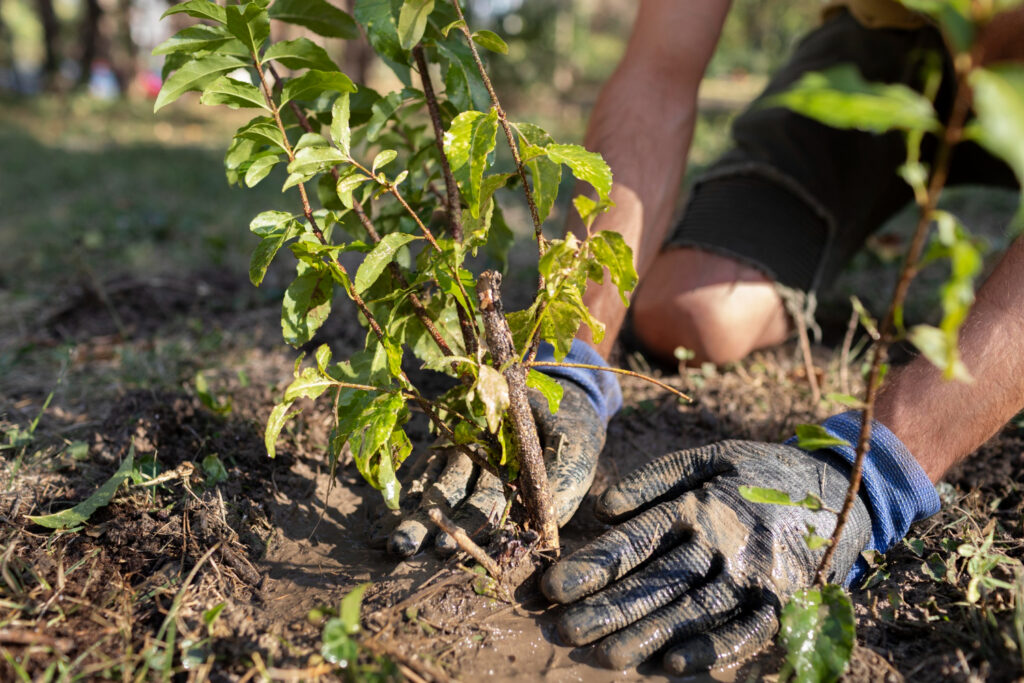
Introduction: The Roots of the Problem In the coastal beauty of Lamu County, Kenya, a silent crisis has taken root. Once-green landscapes are now bare and fragile. Trees have been felled for fuel, building construction, repairs, unsustainable farming practices, charcoal production, uncontrolled grazing, and for settling new communities. This has led to widespread deforestation, rampant soil erosion, and declining farm productivity. Water tables are dropping, biodiversity is diminishing, and once-thriving communities, including the indigenous Boni, are struggling to survive. Against this backdrop, a quiet revolution is underway. Through efforts in tree planting in Lamu, local communities, supported by grassroots organisations like Green Pamoja, are reclaiming their land, restoring their forests, and building resilient futures. What began as modest reforestation efforts is now becoming a powerful force for climate action in Lamu County, and is drawing recognition nationally and internationally. The Crisis in Lamu: Why Trees Matter Deforestation in Lamu is not just an environmental issue, it’s a socio-economic and ecological issue. According to recent studies, the Kenyan coast is home to many of the country’s mangroves, which act not only as coastal protection but also as essential livelihood resources. For example, mangrove loss in Kenya between 1985 and 2009 reached nearly 20% in many regions. Given that over 70% of Lamu’s residents depend on agriculture, livestock, fishing, and natural resources, environmental degradation is not distant, it’s immediate and dire. Tree Planting as a Game-Changer Reforestation and agroforestry offer real, measurable change. Tree growing in Lamu is restoring ecosystems and rebuilding communities. Key Benefits of Reforestation Green Pamoja’s Efforts in Lamu Stories of Change: Voices from the Community Once struggling with poor harvests, Asha joined a local agroforestry project in 2022. With trees lining her farm, her maize yields doubled due to better soil and shade. “Before, I had no hope,” she says. “Now, my children eat well, and I even sell extra produce.” Hassan, 23, used to spend his days idle. He now leads coastal mangrove restoration drives, learning environmental skills and earning a stipend. “This work gives me pride. I’m not just planting trees, I’m building a future.” In Hindi village, a women-led nursery grows seedlings for local farms. Through this eco-enterprise, members earn steady incomes and fund their children’s school fees. Their motto: “Empower a woman, grow a forest.” These success stories from Lamu reflect how community empowerment through trees transforms lives, not just landscapes. Beyond the Environment: Livelihoods & Economic Impact Reforestation isn’t only about trees: it’s about people, jobs, income, and resilience. Across Kenya, other projects show similar benefits. Nature Kenya, with Community Forest Associations (CFAs), planted thousands of indigenous trees, restoring degraded land and increasing water security. BirdLife International The “20 Million Trees Campaign” targets degraded areas and water towers, helping Kenya increase forest cover. Global Relevance: Why Lamu’s Story Matters Lamu is more than a local case study. How You Can Help Restore Lamu Even if you’re not local, you can still make a difference: Conclusion: Planting Hope, Growing Futures Every tree planted in Lamu is more than a sapling it’s a symbol of resilience, renewal, and future possibilities. These tree growing efforts are not only healing the land; they are rebuilding livelihoods, reconnecting communities with nature, and demonstrating that local actions can ripple out to global change. By supporting reforestation in Lamu, you’re helping foster a greener, fairer, more sustainable future for Lamu, for Kenya, and for the world. Together, we can plant hope and grow change.
