...

Author name: Green Pamoja

Green Pamoja Initiative exists to restore and protect Kenya’s mangrove and terrestrial forests while empowering coastal communities through sustainable livelihoods, climate resilience, and inclusive development. 

tree nursery Kenya
tree nursery Kenya

How to Start a Tree Nursery in Kilifi / Lamu: Step-by-Step Guide for Youth & Women

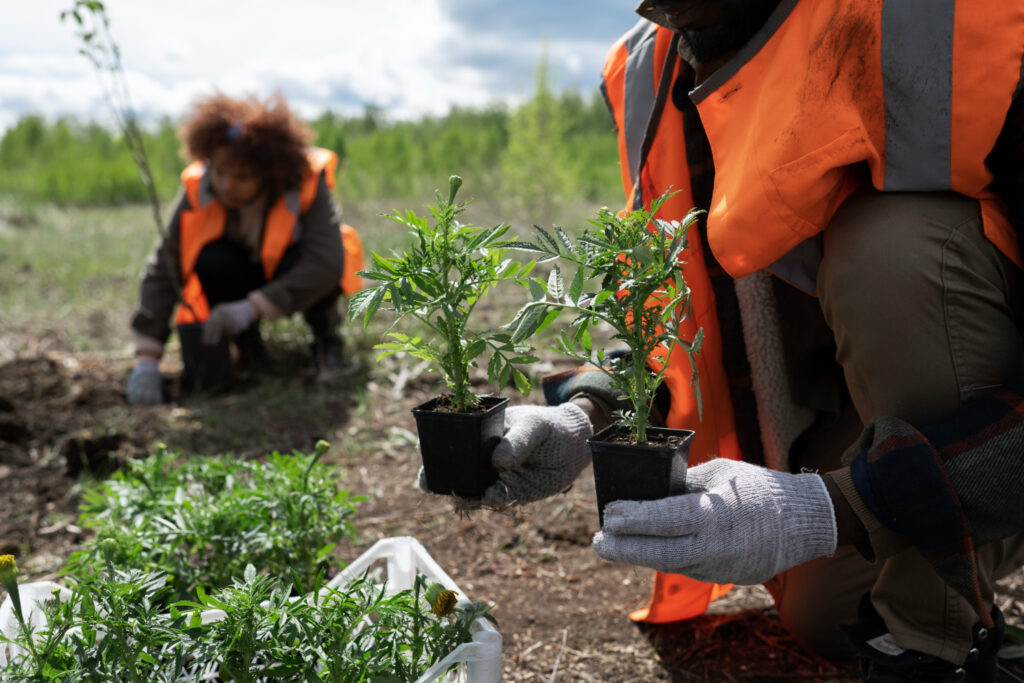
Are you passionate about environmental conservation and eager to make a difference in your community? Starting a native species nursery can be a rewarding venture. It requires careful planning and execution. We will guide you through the process. We draw on insights from the Green Pamoja Initiative’s community-centered approach and KEFRI’s extensive work in seed production and distribution. By leveraging their expertise, you can create a thriving native plant nursery that contributes to reforestation efforts. Our step-by-step guide is designed to empower youth and women in Kilifi and Lamu to embark on this meaningful journey. By following our guide, you will be well on your way to establishing a successful nursery. Key Takeaways Why Tree Nurseries Matter in Kenya’s Coastal Counties Tree nurseries are essential in Kenya’s coastal areas, like Kilifi and Lamu. They support environmental restoration and uplift local communities. These nurseries are key for producing quality seedlings for reforestation. This helps to revive damaged landscapes and boost biodiversity. Environmental Restoration in Kilifi and Lamu The coastal regions of Kenya face major environmental hurdles, including deforestation and land degradation. Tree nurseries tackle these problems by offering seedlings for reforestation. Experts stress that reforestation is vital for ecological balance and combating climate change. The Green Pamoja Initiative leads these efforts, collaborating with local communities to revive degraded lands. Economic Empowerment for Youth and Women Tree nurseries also empower youth and women economically in Kilifi and Lamu. They offer training and jobs in nursery management and tree planting. This supports sustainable livelihoods. The Green Pamoja Initiative ensures tree nursery benefits are shared fairly among community members. Green Pamoja Initiative’s Community-Based Approach The Green Pamoja Initiative focuses on community involvement in tree nursery management. It engages local communities in decision-making and equips them with skills and resources. This model is seen as a success in community-based reforestation. Benefits of Tree Nurseries Impact on Local Communities Environmental Restoration Restoration of degraded lands and promotion of biodiversity Economic Empowerment Training and employment opportunities for youth and women Community Engagement Fostering community involvement in decision-making processes “The Green Pamoja Initiative has shown that with the right approach, tree nurseries can be a powerful tool for both environmental restoration and community development.” Planning Your Tree Nursery Kenya Project When planning a tree nursery in Kenya, understanding the local climate, soil needs, and the role of agroforestry in boosting biodiversity is key. A well-thought-out nursery is essential for the success of tree planting services in Kenya. Selecting the Perfect Location The location of your tree nursery is critical. It should be easily accessible, have a reliable water source, and be near the planting area. Also, consider the land’s topography to avoid erosion. Understanding Local Climate and Soil Requirements Kenya’s climate varies significantly across regions. Knowing the local climate and soil type is crucial for choosing tree species that will thrive. The Kenya Forestry Research Institute (KEFRI) stresses the importance of quality tree seeds and seedlings for achieving the national 30% tree cover target. Factor Consideration Benefit Location Accessibility, Water Source Ease of Management Climate Temperature, Rainfall Tree Species Suitability Soil Type, Fertility Healthy Tree Growth Identifying Marketable Native Tree Species Native tree species are often in high demand due to their adaptability and ecological benefits. Research market trends to find species that are both marketable and beneficial for the local ecosystem. Creating a Realistic Budget and Timeline Creating a realistic budget and timeline is crucial for the success of your tree nursery project. Consider all costs, including infrastructure, seeds, labor, and marketing. Setting Up Your Nursery Infrastructure Creating a well-structured nursery infrastructure is key to your success. It not only boosts seedling growth and health but also streamlines operations. Land Preparation and Layout Design We start by clearing the land for your nursery. This means removing debris, tilling the soil, and designing a layout for easy access and management. A good layout separates areas for seed germination, seedling growth, and hardening off. Key considerations for land preparation include: Water Sources and Irrigation Systems Having a reliable water supply is crucial for your nursery. We evaluate water sources and design an efficient irrigation system. Options range from drip irrigation and sprinkler systems to manual watering, based on your operation’s size and local water availability. “Water is the lifeblood of any nursery. Efficient irrigation systems help conserve water while ensuring seedlings receive adequate moisture.” Green Pamoja Initiative Building Shade Structures and Protective Barriers Shade structures shield young seedlings from intense sunlight. Protective barriers keep pests and strong winds at bay. We use locally sourced materials for these structures, ensuring they are both durable and effective. Essential Tools and Equipment Having the right tools is crucial for daily operations. Essential items include: Tool/Equipment Purpose Shovels and trowels Planting and transplanting seedlings Irrigation pipes and sprinklers Watering seedlings efficiently Pruning shears Trimming and shaping seedlings By focusing on these critical infrastructure elements, we can establish a thriving tree nursery. This nursery will produce high-quality tree saplings for sale in Kenya, supporting reforestation efforts and local communities. Growing Healthy Seedlings: A Step-by-Step Process Ensuring robust and healthy seedlings is crucial for tree nurseries’ sustainability. This journey includes several key steps, from seed collection to early care. It demands a deep understanding of sustainable practices. Seed Collection and Storage Techniques Effective seed collection and storage are the initial steps. It’s about identifying quality local seeds and handling them correctly to keep them viable. Identifying Quality Local Seed Sources Choosing the right seed sources is essential. We should focus on local tree species adapted to Kilifi and Lamu’s environments. Native species like Mangifera indica (Mango) and Tamarindus indica (Tamarind) are ideal due to their resilience and market demand. Proper Handling and Viability Testing After collecting seeds, proper handling is key to maintaining viability. This includes cleaning, drying, and storing them in a cool, dry place. Regular viability tests ensure seeds can still germinate. Germination and Early Seedling Care Germination and early seedling care follow seed collection and storage. This phase involves preparing the

Mangrove Restoration - Green Pamoja
Mangrove Restoration

Why Mangrove Restoration Matters for Coastal Kenya — Benefits for Communities and Climate

Did you know that mangrove ecosystems provide vital support to over 4.1 million people in Kenya, Tanzania, and Mozambique? They protect them from the impacts of climate change? We understand the critical role of coastal ecosystem restoration for local livelihoods and combating climate change. The Green Pamoja Initiative leads this effort, focusing on community-centered conservation. Engaging local communities in restoration efforts boosts biodiversity and encourages community engagement. It also promotes sustainable livelihoods. This comprehensive strategy is key to the success of conservation. Understanding the diverse benefits of mangrove conservation is vital. Initiatives like the Green Pamoja Initiative are making a real difference in coastal Kenya. The Vital Importance of Mangrove Ecosystems Mangroves are among the most valuable ecosystems on Earth, offering a range of ecological services that are essential for both local communities and the global environment. These ecosystems are not just vital for the health of our planet; they also provide numerous benefits that are often overlooked. Natural Coastal Defense Systems Mangroves serve as natural barriers against storms and erosion, protecting coastal communities and infrastructure. By stabilizing sediments and reducing the impact of waves, mangroves help to safeguard the shoreline. This natural defense system is crucial in the face of climate change, as rising sea levels and increased storm intensity pose significant threats to coastal areas. Biodiversity Sanctuaries in Marine Environments Mangrove ecosystems are also biodiversity hotspots, supporting a diverse range of marine life. From fish and crustaceans to birds and mammals, mangroves provide habitat for numerous species. The complex network of roots and the surrounding waters create a rich environment that fosters the growth of various marine organisms, many of which are commercially important or endangered. By conserving mangrove ecosystems, we are not only protecting these biodiversity sanctuaries but also ensuring the long-term health of our oceans. The loss of mangroves can have far-reaching consequences, including the decline of fish stocks and the degradation of water quality. Threats Facing Kenya’s Coastal Mangrove Forests Kenya’s coastal mangroves are at a critical juncture, facing multiple threats that require immediate attention and action. The integrity of these ecosystems is crucial not only for biodiversity but also for the livelihoods of communities dependent on them. Deforestation and Habitat Degradation Mangrove forests are being cleared at an alarming rate for various purposes, including timber production, salt production, and urban development. This deforestation leads to habitat degradation, affecting the rich biodiversity that mangroves support. Climate Change Impacts on Mangrove Survival Climate change poses a significant threat to mangrove survival through rising sea levels, increased salinity, and more frequent extreme weather events. These changes can lead to mangrove die-offs and reduce their ability to provide coastal protection and support climate change resilience. Threat Impact Consequence Deforestation Loss of Biodiversity Ecosystem Degradation Climate Change Rising Sea Levels Mangrove Die-offs Mangrove Restoration: A Nature-Based Solution for Kenya Mangrove restoration is becoming a crucial nature-based solution for Kenya’s coastal resilience. By restoring mangrove forests, we can boost ecosystem services vital for environmental health and community livelihoods. Ecological Benefits of Restored Mangrove Systems Restored mangrove systems offer numerous ecological benefits. They create habitat for diverse marine life and protect coastlines from erosion. These ecosystems also maintain water quality and support fisheries, vital for local communities. Environmental experts highlight mangroves’ role in climate action. They are among the most carbon-rich forests in the tropics. Restoration enhances biodiversity and aids global climate change mitigation efforts. Restoration as Climate Action Strategy Mangrove restoration is seen as a key climate action strategy. These ecosystems have significant carbon sequestration potential. By restoring degraded mangrove areas, we boost their carbon absorption, aiding climate change resilience. Restored mangroves also protect coastal communities from climate change impacts, like storm surges and sea-level rise. This dual benefit of carbon sequestration and coastal protection highlights mangrove restoration’s importance in Kenya’s climate action plan. Green Pamoja Initiative: Our Mission in Coastal Kenya The Green Pamoja Initiative shines a light of hope for coastal Kenya. We are dedicated to restoring mangrove ecosystems and empowering local communities. Our mission is rooted in community engagement. We understand that mangrove conservation thrives when local populations are actively involved. From Mpeketoni to Six Counties: Our Operational Reach We cover six counties in Kenya, from Mpeketoni to other regions. Our strategy is to restore mangroves and educate local communities. We focus on several key areas: Peter Mwangi’s Vision: When Communities Unite, the Planet Heals Peter Mwangi’s leadership guides the Green Pamoja Initiative. He emphasizes the strength of community unity in environmental conservation. We see that when communities unite to protect their environment, the planet starts to heal. Our work proves the power of collective action in making a difference. Through restoration techniques and community engagement, we aim for a sustainable future for Kenya’s coast. Our efforts benefit both the planet’s health and the livelihoods of local communities. Our Community-Centered Approach to Environmental Action At the Green Pamoja Initiative, we believe that effective environmental action starts with a community-centered approach. This means empowering local communities, with a focus on women and youth, to lead in conservation efforts. Empowering Women and Youth as Conservation Leaders We understand the vital role women and youth play in environmental management. By offering training and resources, we enable them to become leaders in their communities. This boosts community engagement and ensures the sustainability of our conservation work. Building Local Capacity for Sustainable Management Effective environmental management relies on building local capacity. We achieve this through initiatives like tree nursery development and climate education. Tree Nursery Development Programs Our tree nursery programs equip communities with the skills to grow mangroves and native species. This initiative supports reforestation and creates economic opportunities for locals. Climate Education Initiatives Understanding climate change impacts is key to developing effective conservation strategies. We educate local communities on climate change, enhancing their ability to adapt and protect their environments. Initiative Objective Impact Tree Nursery Development Enhance reforestation efforts Economic opportunities for local communities Climate Education Improve climate change understanding Enhanced community resilience Conservation Leadership Empower women and youth

community tree planting Kenya
Environmental conservation, Reforestation

Community Tree Planting in Kenya: How Local Action Heals the Planet

Planting Roots, Growing Hope Across Kenya, climate change is no longer a distant headline but a daily reality. From floods and droughts to food insecurity and biodiversity loss, communities are feeling the weight of environmental degradation. Yet in the face of these challenges, ordinary Kenyans are taking extraordinary action. One of the most powerful grassroots movements is community tree planting in Kenya, spearheaded by organizations like Green Pamoja Initiative. These events bring together neighbors, schools, faith groups, and local leaders to do something simple yet profound: put seedlings into the soil. Each tree planted is not just about restoring nature but also healing communities, strengthening resilience, and building a greener Kenya. In counties from Mombasa to Makueni, Kilifi to Tana River, community-led planting is breathing life back into degraded landscapes. And as Kenya advances its 15 Billion Tree Growing Campaign (2022–2032), these local initiatives are proving that when communities unite, the planet benefits. Why Community Action Matters Community tree planting in Kenya is more than an environmental exercise; it is a ritual of unity and hope. A single day of collective action creates ripple effects far beyond the seedlings in the soil: In Mombasa, school tree planting days have become annual traditions. Pupils not only plant but also “adopt” trees, watering and monitoring them as part of learning. In Kilifi, faith-based organizations organize Saturday planting drives where congregations leave church to green their villages. These local actions are shaping a new culture of environmental responsibility. Healing the Planet, One Tree at a Time Every seedling planted on a community tree day is a building block for a healthier planet. Trees: In Mombasa, mangrove planting along Tudor Creek and Port Reitz has restored degraded sites, reviving fisheries for crabs, fish, and oysters. In Makueni County, tree planting days focus on drought-resistant species like acacia and moringa, improving resilience in drylands. Community tree planting in Kenya is truly a grassroots solution to a global climate emergency. Stories of Change: Kenyan Voices At just 19, Amina, a youth volunteer in Mombasa, joined her local group to restore mangroves at Mikindani. “Before, our shoreline was eroding fast. Now, with mangroves coming back, fish are returning, and we feel we are protecting our future.” In Kilifi County, farmer David turned his farm around by adopting agroforestry during a community planting day. By intercropping maize with grevillea and fruit trees, his yields improved. He now sells mangoes for extra income. “Planting trees saved my farm,” he says proudly. At St. Mary’s Primary School in Nairobi, pupils plant trees every rainy season. Each class is assigned seedlings to care for. One student summed it up perfectly: “When my tree grows, I grow too.” These stories show that community tree planting in Kenya is not just transforming landscapes—it’s transforming lives. Beyond the Environment: Empowering Communities Tree planting days in Kenya are sowing more than just forests; they are cultivating opportunities: Green jobs: From nursery attendants to community mobilizers, tree planting creates employment. Fruit trees & income: Mango, avocado, and guava trees generate income while greening the land. Women-led enterprises: In Mombasa, the Jomvu Women’s Group grows mangrove seedlings and earns steady income by supplying them for planting events. Youth empowerment: With high unemployment, planting drives give youth a sense of purpose, new skills, and sometimes stipends. At Green Pamoja Initiative’s campaigns, many young volunteers are now eco-ambassadors in their schools and villages, spreading awareness and building eco-enterprises. By turning community action into livelihood opportunities, Kenya is proving that environmental restoration and socio-economic growth go hand in hand. Linking Local to Global Goals Kenya’s community tree planting days are part of a bigger picture. They directly contribute to: By planting trees locally, Kenyan communities are helping advance global sustainability commitments. This is the power of grassroots action, linking local needs with international goals. How You Can Join a Community Tree Planting Day You don’t need to be an environmental expert to make a difference. Here’s how to get involved: At Green Pamoja Initiative, you can also support our reforestation projects through donations or partnerships. Conclusion: From Local Hands to Global Healing Community tree planting in Kenya is more than a ceremonial event, it is an act of hope, resilience, and renewal. Each seedling planted in Mombasa’s mangroves, Kilifi’s farmlands, or Makueni’s drylands tells a story of people rising to meet climate challenges. These efforts remind us that healing the planet does not always begin in boardrooms or conferences; it begins with neighbors gathering under the sun, hands in the soil, determined to secure a greener tomorrow. As Kenya rallies behind the 15 Billion Tree Growing Campaign, community tree planting in Kenya remains the heartbeat of this movement. From local hands springs global healing. Together, we are not just planting trees, we are planting the future.

mangrove planting Lamu
Uncategorized

Mangrove Planting in Lamu: 5,000 Trees and a Rugby Challenge

Introduction: A Day of Action and Unity Mangrove Planting in Lamu County, the Green Pamoja Initiative brought together communities, partners, and youth for an unforgettable event that combined environmental action with sports for social change. From planting 5,000 mangroves at Mea Beach to hosting a spirited rugby tournament at Tiger Pitch, the day showcased how partnerships and community efforts can transform both landscapes and lives. This event was made possible through collaboration with Waridi Foundation, Asali Mikoko, Kenya Scout Association, Ujamaa, Young Muslim Association, and many volunteers who share the vision of building sustainable environments and sustainable livelihoods. Planting 5,000 Mangroves at Mea Beach The day began at Mea Beach, where participants worked hand-in-hand to restore degraded coastal ecosystems. Mangroves are vital for protecting coastlines, storing carbon, and supporting marine biodiversity, and in a single morning, over 5,000 seedlings were planted. Peter Mwangi, Founder and CEO of Green Pamoja Initiative, highlighted the significance of the day: “We are operating in five counties in Coast, plus Makueni. Our main objective is to ensure sustainable environments and livelihoods for communities. Today, we planted 5,000 mangroves, and now we are here at the field overseeing the rugby challenge.” The planting brought together school groups, scouts, women, and youth leaders. It was more than a conservation effort, it was an act of unity and resilience. Daniel Mema Mangelu, Lamu West Youth Leader and member of the Kenya Scout Association, reflected: “Nimefurahia siku hii sana. Tumepanda zaidi ya miti 5,000 na tumejifunza umuhimu wa miti katika maisha yetu. Vijana tuna nafasi kubwa ya kuokoa mazingira yetu.” The activity reinforced the message that tree planting is not just about restoring forests, but about securing futures. Rugby at Tiger Pitch: Sports Meets Sustainability In the afternoon, the action shifted to Tiger Pitch in Mpeketoni Town, where the Lamu Rugby Sevens Challenge unfolded. Organized in partnership with Waridi Foundation, the tournament created a bridge between sports, youth engagement, and environmental action. Kombo Ramadhan, a local youth and member of the Young Muslim Association, shared his thoughts: “Mgeni njoo, mwenyeji apone. Today we have seen how trees and sports can bring us together. We welcome Green Pamoja for opening our eyes to protecting our environment.” The rugby games created excitement, camaraderie, and a renewed sense of purpose among young people. As they played, the lessons from the morning’s planting lingered: every action counts in building a resilient future. Partners and Collaboration The day’s success was the result of strong partnerships. Waridi Foundation led the rugby initiative, while Asali Mikoko and Ujamaa supported mangrove planting. The Kenya Scout Association mobilized youth volunteers, and the Young Muslim Association added their voice to the cause. Together, these organizations proved that collaboration is key to addressing deforestation, climate change, and lack of youth opportunities. Challenges and Community Voices Despite the success, several challenges were raised. Community leaders spoke candidly about financial constraints for seedling production, limited government support, and the need for stronger partnerships. One youth leader voiced the difficulty: “Unambiwa uzalishe miche milioni moja na hupewi pesa ya kuzalisha hiyo miche. Tunahitaji msaada kutoka kwa mashirika na wadau ili kazi iendelee.” This plea highlighted the need for continued investment and donor support to keep reforestation projects sustainable. Looking Ahead: Planting Hope, Growing Change The event closed with a clear message: Green Pamoja’s work is just beginning. From coastal mangrove restoration to inland tree planting and youth empowerment through sport, the movement is spreading across five counties in Coast and Makueni. Sir Enocent , Director of IT and Media at Green Pamoja Initiative, summed it up: “Today is about more than planting trees—it’s about planting hope, resilience, and a greener future for Lamu.” Conclusion: From Seed to Sport, We Grow Together From Mea Beach’s mangrove planting to Tiger Pitch’s rugby matches, the day reflected what Green Pamoja stands for: community-driven action, partnerships, and resilience. 5,000 mangroves now stand as living proof of hope, and the rugby tournament as a reminder that youth can be champions both on the field and in protecting the planet. Green Pamoja calls on volunteers, partners, and donors to join this journey of transformation. Together, we can ensure that from seed to shade, and from sport to sustainability, we grow together.

Clean energy for rural Kenya
Clean energy

Empowering Kenyan Communities Through Clean Energy: Solar & Cookstoves for a Greener Future

The Energy Divide in Rural Kenya Access to clean, reliable energy remains a pressing challenge for rural Kenya. Despite rapid urban advancements, millions of households in off-grid communities still rely on kerosene lamps, charcoal, and firewood to meet their basic energy needs. These traditional energy sources are not only costly and inefficient, but they also pose serious health and environmental risks. As the world races toward sustainability, clean energy for rural Kenya is emerging as a critical catalyst for inclusive development. Solutions like solar energy and clean cookstoves are lighting up homes, powering businesses, and transforming lives—while contributing to Kenya’s broader climate and development goals. The Reality: Energy Poverty in Kenya’s Heartlands In remote areas of Kenya—like Lamu, Kilifi, Turkana, and parts of Western Kenya—electricity access remains scarce. Many homes are not connected to the national grid, forcing families to rely on: This energy poverty exacerbates: Without sustainable alternatives, the cycle of poverty continues unchecked. Solar Energy in Kenya: Powering Progress Over the past decade, solar energy in Kenya has experienced exponential growth. Thanks to innovative financing models like pay-as-you-go solar (e.g., M-KOPA, Sun King), even low-income households can now access affordable, decentralized electricity. How solar energy is making a difference: These systems are eco-friendly, cost-effective, and scalable—making them ideal for Kenya’s rural landscape. Clean Cookstoves: Transforming Kitchens, Saving Lives Clean cookstoves offer a smart, sustainable alternative to traditional three-stone fires. Designed for efficiency and safety, these stoves use less fuel, burn cleaner, and emit significantly lower levels of smoke. Benefits of clean cookstoves include: Organizations like Burn Manufacturing and Envirofit are leading efforts to distribute affordable, locally manufactured cookstoves across Kenya. Spotlight: Green Energy Projects in Lamu County and Coastal Kenya Coastal counties like Lamu, Kilifi, and Tana River are emerging as hubs for renewable energy innovation. With abundant sunlight and growing energy needs, several green energy projects are transforming these communities. Highlights include: These initiatives don’t just power homes—they empower people. Aligning with Kenya’s Sustainable Development Goals Kenya’s commitment to the Sustainable Development Goals (SDGs), particularly SDG 7 (Affordable and Clean Energy), is evident in its national strategies and partnerships. Clean energy solutions align with multiple SDGs: These local actions contribute meaningfully to global climate goals and Kenya’s Vision 2030. How You Can Support the Clean Energy Movement Whether you’re an individual, NGO, business, or policymaker, there are ways to contribute: ✅ Support local initiatives like solar startups and stove manufacturers✅ Partner with community organizations implementing energy projects✅ Donate or fundraise for clean energy campaigns✅ Advocate for renewable energy policies at county and national levels✅ Educate others about the benefits of clean energy through your platforms Together, we can light up even the most remote corners of Kenya. Conclusion: Powering a Greener, Healthier Future Clean energy for rural Kenya is more than a technical solution—it’s a pathway to dignity, opportunity, and resilience. Through solar energy and clean cookstoves, communities are breathing cleaner air, accessing new income streams, and building a sustainable future. In 2025 and beyond, let’s scale these solutions, empower our communities, and shine a light on a greener Kenya for all.

contact-reforestation in kenya
Environmental conservation, Reforestation

Why Reforestation Matters in Kenya: The Urgent Case for Tree Planting in 2025

A Nation at a Crossroads Reforestation in Kenya is no longer a luxury—it’s a necessity. With increasing threats from climate change, environmental degradation, and shrinking forest cover, Kenya is at a pivotal moment. In 2025, the call to plant trees and restore forests has reached new levels of urgency. Reforestation in Kenya is not just about planting trees—it’s about securing clean water, stabilizing local climates, protecting biodiversity, and revitalizing communities. At the forefront of this green revolution stands the Green Pamoja Initiative, championing sustainable tree planting with a strong focus on indigenous species, climate adaptation, and local empowerment. The Forest Cover Crisis in Kenya Kenya’s forest cover stands at approximately 8.8%, below the constitutional target of 10% and far from the government’s ambitious 30% target by 2032. Massive deforestation driven by illegal logging, charcoal burning, unsustainable farming, and infrastructure development has stripped away thousands of hectares annually. This loss has led to: Without urgent action, these environmental challenges will intensify, affecting both urban and rural livelihoods. Benefits of Tree Planting in Kenya 1. Climate Change Solutions Trees play a crucial role in climate mitigation. Each mature tree can absorb up to 21 kilograms of carbon dioxide per year, acting as a natural carbon sink. In Kenya, reforestation helps reduce greenhouse gas emissions while shielding vulnerable communities from droughts, floods, and heatwaves. 2. Water Conservation and Soil Protection Forests are nature’s water towers. Tree roots enhance water infiltration and retention, reduce surface runoff, and prevent soil erosion. In arid and semi-arid regions like northern Kenya and parts of the coast, this is essential for farming and pastoralism. 3. Preserving Biodiversity Kenya is home to iconic wildlife and endemic species, many of which rely on forest ecosystems. Restoring forests supports biodiversity, protects critical habitats, and maintains ecosystem balance. 4. Economic Empowerment Reforestation can boost rural economies by: Successful programs like Komaza in Kilifi and TREES for the Future have shown how forestry can be merged with economic upliftment. Forest Restoration in Action: Kenyan Success Stories Green Belt Movement Founded by Nobel Laureate Wangari Maathai, this movement has planted over 51 million trees since 1977 and empowered thousands of Kenyan women to lead community restoration projects. Komaza Micro-Forestry This Kilifi-based initiative partners with smallholder farmers to grow commercial trees on underutilized land—already planting over 2 million trees and aiming for 1 billion by 2030. Mikoko Pamoja & Vanga Blue Forest These coastal mangrove conservation projects in Kwale County combine tree planting with carbon offset credits and direct community benefits, proving reforestation can be both green and profitable. Reforestation in 2025: A Turning Point This year marks a critical shift. The Kenyan government has doubled down on restoration through: 2025 presents the best opportunity yet to align national climate goals with grassroots action. Why Indigenous Trees in Kenya Matter Why Indigenous Trees in Kenya Matter Green Pamoja Initiative: Leading from the Ground Up At the heart of this transformative movement is the Green Pamoja Initiative, a grassroots organization committed to restoring Kenya’s green cover with a long-term, community-focused approach. Green Pamoja: By aligning its efforts with the national vision for climate resilience and forest restoration, Green Pamoja stands as a model for impactful, scalable, and sustainable reforestation in Kenya. Challenges and the Way Forward While the momentum is growing, several challenges remain: However, with increased collaboration, digital monitoring tools like JazaMiti, and the involvement of local communities, these challenges are surmountable. How You Can Support Reforestation in Kenya Here’s how you can be part of this transformative journey:✅ Plant trees through registered programs✅ Support indigenous seedling nurseries✅ Volunteer with local initiatives like Green Pamoja✅ Donate or fundraise to support climate and conservation work✅ Use your voice—share stories, advocate for green policies, and inspire others to act Conclusion: Kenya’s Green Future Starts Now Reforestation in Kenya is more than an environmental act—it’s an investment in our shared future. The path to climate resilience, food security, clean water, and socio-economic stability begins with a simple act: planting a tree. With the Green Pamoja Initiative and other local actors leading the way, 2025 can be the year Kenya turns the tide—regenerating forests, restoring hope, and securing a sustainable legacy for generations to come.

Scroll to Top
Seraphinite AcceleratorOptimized by Seraphinite Accelerator
Turns on site high speed to be attractive for people and search engines.