
Introduction: The Roots of the Problem
In the coastal beauty of Lamu County, Kenya, a silent crisis has taken root. Once-green landscapes are now bare and fragile. Trees have been felled for fuel, building construction, repairs, unsustainable farming practices, charcoal production, uncontrolled grazing, and for settling new communities. This has led to widespread deforestation, rampant soil erosion, and declining farm productivity. Water tables are dropping, biodiversity is diminishing, and once-thriving communities, including the indigenous Boni, are struggling to survive.
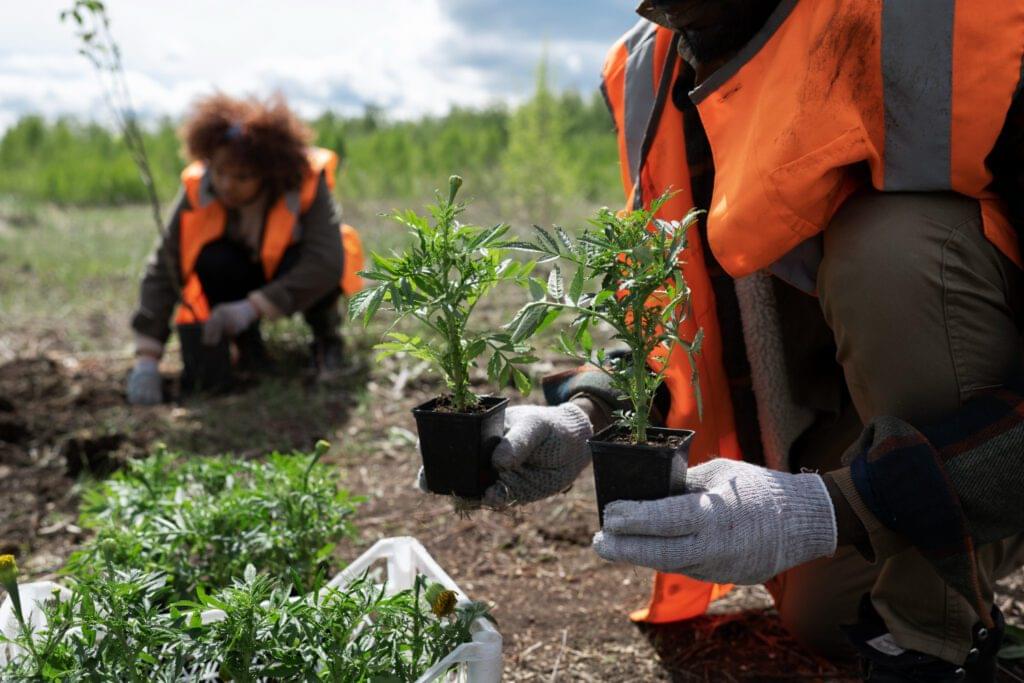
Against this backdrop, a quiet revolution is underway. Through efforts in tree planting in Lamu, local communities, supported by grassroots organisations like Green Pamoja, are reclaiming their land, restoring their forests, and building resilient futures. What began as modest reforestation efforts is now becoming a powerful force for climate action in Lamu County, and is drawing recognition nationally and internationally.
The Crisis in Lamu: Why Trees Matter
Deforestation in Lamu is not just an environmental issue, it’s a socio-economic and ecological issue.
- Loss of forest cover from illegal charcoal production, unsustainable agricultural expansion, residential encroachment, and large-scale infrastructure projects have removed critical tree cover.
- Soil erosion is stripping away fertile topsoil, reducing yield for smallholder farmers.
- Water scarcity is worsening: with fewer trees to capture rainwater and hold soil, groundwater recharge is lowered.
- Biodiversity loss: animal habitats are disappearing, mangrove forests are shrinking, leading to declines in fish stocks and coastal species reliant on mangrove nurseries.
According to recent studies, the Kenyan coast is home to many of the country’s mangroves, which act not only as coastal protection but also as essential livelihood resources. For example, mangrove loss in Kenya between 1985 and 2009 reached nearly 20% in many regions.
Given that over 70% of Lamu’s residents depend on agriculture, livestock, fishing, and natural resources, environmental degradation is not distant, it’s immediate and dire.
Tree Planting as a Game-Changer
Reforestation and agroforestry offer real, measurable change. Tree growing in Lamu is restoring ecosystems and rebuilding communities.
Key Benefits of Reforestation
- Improved soil fertility: Trees help fix nitrogen, reduce erosion, and improve soil structure.
- Water retention & climate buffering: Roots help retain rainwater, increasing groundwater recharge and reducing runoff. Mangroves stabilize coastlines and buffer storm surges.
- Boosted crop productivity: Shade, microclimate moderation, and enriched soils allow for better yields.
- Carbon sequestration: Trees, especially mangroves, store large amounts of carbon both above and below ground, helping mitigate climate change. For instance, Kenya has launched the Lamu Blue Carbon Project, aiming to conserve and restore thousands of hectares of mangroves.
Green Pamoja’s Efforts in Lamu
- In Mpeketoni, Green Pamoja has planted over 50,000 trees, reclaiming degraded farmland and providing income-earning opportunities.
- In Faza, mangrove reforestation is stabilizing coastlines and revitalizing marine biodiversity (important for local fishermen).
- Our model emphasises community participation: youth and women, in particular, are involved in nursery raising, planting, and maintenance.
Stories of Change: Voices from the Community
- Farmer Story – Asha from Mpeketoni:
Once struggling with poor harvests, Asha joined a local agroforestry project in 2022. With trees lining her farm, her maize yields doubled due to better soil and shade. “Before, I had no hope,” she says. “Now, my children eat well, and I even sell extra produce.”
- Youth Volunteer – Hassan in Faza:
Hassan, 23, used to spend his days idle. He now leads coastal mangrove restoration drives, learning environmental skills and earning a stipend. “This work gives me pride. I’m not just planting trees, I’m building a future.”
- Women’s Group – Tumaini Tree Nursery:
In Hindi village, a women-led nursery grows seedlings for local farms. Through this eco-enterprise, members earn steady incomes and fund their children’s school fees. Their motto: “Empower a woman, grow a forest.”
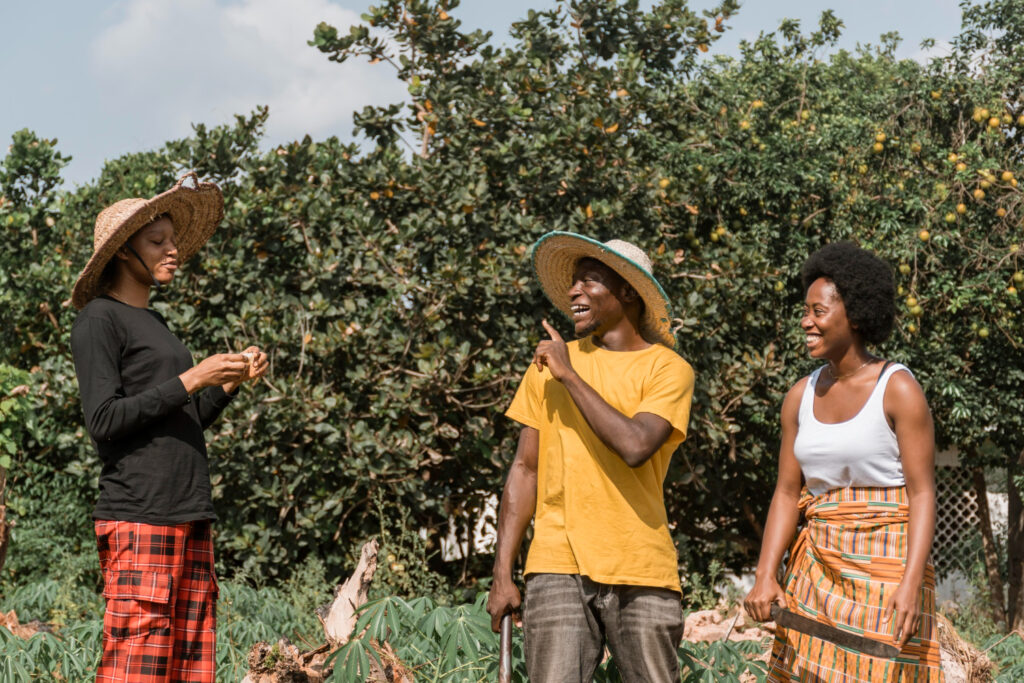
These success stories from Lamu reflect how community empowerment through trees transforms lives, not just landscapes.
Beyond the Environment: Livelihoods & Economic Impact
Reforestation isn’t only about trees: it’s about people, jobs, income, and resilience.
- Green jobs: From nursery management to planting, weeding, protection, many local people (especially youth & women) are now employed.
- Eco-enterprises: Fruit trees, medicinal trees, sustainable woodlots generate value, either as food, timber, or saleable products.
- Education & awareness: Schools in Lamu are integrating tree planting in curricula. Local groups host workshops on reforestation, agroforestry, and conservation.
Across Kenya, other projects show similar benefits. Nature Kenya, with Community Forest Associations (CFAs), planted thousands of indigenous trees, restoring degraded land and increasing water security. BirdLife International The “20 Million Trees Campaign” targets degraded areas and water towers, helping Kenya increase forest cover.
Global Relevance: Why Lamu’s Story Matters
Lamu is more than a local case study.
- With international frameworks (e.g. the Paris Agreement, Sustainable Development Goals, especially SDG 13: Climate Action, SDG 15: Life on Land), Lamu’s work contributes to global climate resilience.
- Blue carbon projects (like the Lamu Blue Carbon initiative) are being developed to monetize carbon sequestration from mangrove restoration and provide financial benefits to local communities.
- Kenya’s laws (e.g. Forest Conservation and Management Act, 2016) protect mangroves and forests, enabling frameworks for sustainable reforestation.
How You Can Help Restore Lamu
Even if you’re not local, you can still make a difference:
- Donate to campaigns supporting seedling production, nursery establishment, and community-led planting. Donate Now
- Volunteer your time or skills with partner NGOs or virtual efforts (e.g. mapping, awareness, fundraising).
- Raise awareness: Share stories from Lamu with your networks social media, blogs, podcasts.
- Support policy & advocacy: Push for stronger forest protection, sustainable land use, and community forestry rights.
Conclusion: Planting Hope, Growing Futures
Every tree planted in Lamu is more than a sapling it’s a symbol of resilience, renewal, and future possibilities. These tree growing efforts are not only healing the land; they are rebuilding livelihoods, reconnecting communities with nature, and demonstrating that local actions can ripple out to global change.
By supporting reforestation in Lamu, you’re helping foster a greener, fairer, more sustainable future for Lamu, for Kenya, and for the world. Together, we can plant hope and grow change.